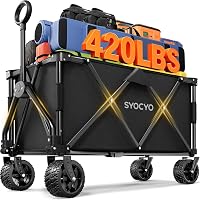
What Is a Collapsible Wagon and What Can It Carry?
A collapsible wagon is a wheeled cart with a frame and fabric body that fold down for storage. It can carry groceries, sports gear, and camping supplies when the load fits the bed and stays within the wagon’s weight limit.
On this page (9 sections)
- What is a collapsible wagon and how does it work?
- What can you carry in a collapsible wagon?
- How does a collapsible wagon fold and set up?
- What should you compare before buying?
- Which collapsible wagon suits your load?
- Is a collapsible wagon the same as a folding wagon?
- How should you load and care for a collapsible wagon?
- What mistakes should you avoid with a collapsible wagon?
- How do you choose the right collapsible wagon?
A collapsible wagon is a wheeled cart with a frame and fabric body that fold down for storage. It moves groceries, sports gear, camping supplies, and other loads that fit inside and stay within its weight limit.
The phrase “what is a collapsible wagon” points to a broad type of utility cart, not one standard size or design. Some have exterior pockets, wide wheels, or extra shelves, so the right choice depends on what you carry, where you roll it, and how much room you have to store it.
What is a collapsible wagon and how does it work?
A collapsible wagon is a utility cart that opens into a fabric-sided bed and folds into a smaller shape when you’re done. A wheeled frame supports the bed, and a handle lets you pull it along.
The folding frame makes a wagon easier to store than a rigid cart. Designs differ in how they fold and how much room they take up, so check folded dimensions before deciding it will fit in a closet, car trunk, or garage.
For a broader look at cart designs, read our guide to folding wagon carts, sizes, wheels, and uses.
What can you carry in a collapsible wagon?
A collapsible wagon can carry items that fit its bed and stay within its stated weight capacity. Common loads include groceries, sports equipment, garden supplies, picnic items, and camping gear.
Measure long or bulky items before loading. A folded chair or tent may not fit in a short bed, while a longer wagon can hold more awkward gear and need more room to store.
Can you carry groceries in a collapsible wagon?
Yes, a wagon can move grocery bags from a car or store and reduce the number of trips you carry by hand. Put heavy items low and spread the bags across the bed to keep the load balanced.
Use a separate insulated bag for cold food and a sturdy container for fragile items. A utility wagon is for hauling; it does not keep food cold or protect delicate contents from bumps.
For options suited to errands, compare collapsible wagons for groceries.
Can you carry sports or camping gear?
Yes, sports and camping supplies are practical loads when they fit securely and remain below the wagon’s weight limit. Chairs, tents, balls, and other outdoor gear can be easier to move together between a vehicle and a field or campsite.
Long items can extend beyond the sides of a standard wagon. Measure them, position them so they don’t interfere with the wheels, and secure anything that could shift when you turn.
How does a collapsible wagon fold and set up?
Most collapsible wagons fold by drawing the sides of the frame inward, often using a strap or handle near the center of the bed. Setup and folding steps vary, so follow the instructions for the model and keep your hands clear of moving frame joints.
Before the first trip, open the frame fully and check that the bed sits evenly and the handle moves as intended. Some wagons need parts fitted before use: the HIKEMOON 150L wagon, for example, calls for inserting the front and rear wheels and fastening the fabric bed.
When folding, remove loose cargo first and use the designated strap or release point. Don’t force a frame that catches; check for trapped fabric or an item blocking the folding joints.
What should you compare before buying?
Compare bed dimensions, weight capacity, wheels, handle, and folded size against your usual load and route. Those details help you judge whether a wagon will fit your gear, roll where you need it, and store in your available space.
- Capacity: Include the weight of everything you plan to carry, and leave room below the stated maximum.
- Bed dimensions: Measure the largest item, including handles or straps that need extra clearance.
- Wheels: Match the wheel design to your common surfaces, such as pavement, grass, gravel, or sand.
- Handle: Consider its length, adjustment, and how it will feel to pull with a typical load.
- Folded size: Check the actual folded dimensions against your storage space and vehicle.
Our guide to what to check before buying a collapsible wagon covers these choices in more detail.
Does wheel size matter on a collapsible wagon?
Yes, wheel size and tread affect how a wagon moves over different surfaces. Match the wheels to your usual route instead of choosing by size alone.
A paved path may call for different wheels than grass, gravel, or soft sand. If you’ll use a wagon at the beach, compare beach wagon wheels for sand and wagons for soft sand.
How much weight can a collapsible wagon carry?
The stated weight limit is the maximum load for the wagon, including all items placed inside it. Stay within that limit, and remember that a heavy or uneven load can be difficult to pull even when it is under the maximum.
Capacity doesn’t tell you whether an item fits or whether the loaded wagon will feel stable on your route. For help choosing a suitable limit, see what weight limit your collapsible wagon should have.
Which collapsible wagon suits your load?
Choose a wagon based on your usual load and storage needs: a general utility wagon suits mixed errands, a double-decker can separate bulky gear, and a compact big-wheel model combines outdoor hauling features. Skip a design when its bed, folded size, or wheel setup doesn’t fit your actual use.
Who should choose the Amazon Basics utility wagon?
The Amazon Basics wagon suits general outdoor hauling with smaller items kept close at hand. It has a 265 lb capacity, an extendable handle, and exterior storage compartments for things you want to reach without moving the main load.
It collapses and includes a storage bag. Choose it for mixed jobs such as gardening, shopping, camping, or sporting events; skip it if you need a second shelf or a longer bed for oversized gear.
Who should choose a double-decker wagon?
The Timber Ridge double-decker suits bulky gear that benefits from a long lower shelf and two levels. Its extended lower shelf measures 54 in, with a stated total capacity of 450 lb and up to 225 lb per layer.
Its folded dimensions are 15 x 7 x 35.5 in. Choose it for items such as chairs, tents, or a canopy that need the longer shelf; skip it if you want a simple single-level bed or lack room for its extended shape when open.
Who should choose the HIKEMOON 150L wagon?
The HIKEMOON wagon suits outdoor trips where wide wheels and extra storage pockets are useful. It has a 150 L capacity, a side pocket, two cup holders, and wheels measuring 6 in in diameter by 2.5 in wide.
Its stated weight capacity is 420 lb, and its fabric bed is removable for cleaning. Choose it when those storage and wheel features match your route; skip it if its 33.07 x 19.29 in bed or folded storage needs don’t suit your gear and space.
Is a collapsible wagon the same as a folding wagon?
The terms usually describe the same type of cart: a wagon that folds for storage. Names vary, so compare the frame, bed, wheels, and folded dimensions rather than relying on the wording alone.
Read collapsible or folding wagon: is there any difference? for a closer comparison.
How should you load and care for a collapsible wagon?
Load the wagon with heavy items low, weight spread across the bed, and loose items secured. This helps keep the load balanced and reduces the chance of cargo sliding into the wheels during turns.
Avoid stacking items so high that they block your view or make the load unstable. Don’t use a utility wagon to carry a child unless its maker explicitly designs it for passengers and provides safe-use instructions; a high weight limit alone does not make it suitable.
After a trip, shake out loose dirt and remove debris from the bed and wheels. If the fabric gets wet or sandy, clean it according to the care instructions and let it dry before folding it away, so damp fabric isn’t trapped in storage.
What mistakes should you avoid with a collapsible wagon?
The most common buying mistake is choosing by weight capacity alone. A high limit won’t help if the bed is too short for your gear, the wagon doesn’t roll well on your route, or the folded frame won’t fit where you plan to keep it.
Other mistakes are skipping the setup instructions, loading weight unevenly, and forcing a frame that doesn’t fold smoothly. Measure your largest item and storage space, learn the fold before the first trip, and secure cargo that could move as you pull.
How do you choose the right collapsible wagon?
Choose the wagon that fits your largest regular load, usual route, and storage space. For general errands and outdoor supplies, consider the Amazon Basics model; for oversized gear and two levels, consider the Timber Ridge; for a 150 L bed with wide wheels and a side pocket, consider the HIKEMOON.
Measure your gear and storage area before you buy, then compare the open and folded dimensions. If most of your trips are to the beach, start with how to choose a beach wagon; for everyday hauling, browse folding utility wagons and match the design to your load and route.
Frequently asked questions
What is a collapsible wagon?
A collapsible wagon is a wheeled cart whose frame and fabric body fold down for storage and transport. Many have a pull handle and a four-wheel base, but designs vary in capacity, wheel size, storage features, and folded dimensions.
Check those details against your load and storage space.
What can you carry in a collapsible wagon?
You can carry groceries, sports equipment, camping supplies, garden items, and other loads that fit within the wagon's dimensions and weight limit. Keep the load balanced and secure, and check whether long or bulky items need an open end or extended shelf.
Can a collapsible wagon carry a child?
Only use a wagon for a child if its maker clearly says it is designed for passenger transport and gives safe-use instructions. A utility wagon's weight capacity alone does not show that its floor, sides, restraint system, or handling are suitable for a child.
Are collapsible wagons good on sand?
Some wagons have wide or large wheels intended for outdoor ground, but wheel design alone does not guarantee easy travel on soft sand. Compare wheel width and the wagon's intended use, and see our guide to beach wagons for soft, deep sand before choosing one for the shore.