Which Folding Wagon Replacement Parts Can You Buy?
You can buy folding wagon replacement parts such as wheels and fabric liners. Match wheel size and fastener, or measure the wagon body and liner before choosing.
On this page (8 sections)
- Which folding wagon replacement parts can you buy?
- How do you check whether folding wagon replacement wheels fit?
- How do you measure for a replacement wagon liner?
- What should you check before installing a replacement part?
- Are folding wagon parts universal across brands?
- How do you care for replacement wheels and liners?
- When should you replace a part instead of the wagon?
- Which folding wagon replacement part should you choose?
You can buy folding wagon replacement parts such as wheels and fabric liners, but fit depends on the wagon's dimensions and attachment points. Check the brand and model, compare measurements, and confirm whether the part is sold alone or as a pair.
Wheels and liners are the most straightforward parts to replace. Other pieces may be model-specific, so start with the wagon manual or manufacturer support before choosing a spare.
Which folding wagon replacement parts can you buy?
Wheels and fabric liners are common folding wagon replacement parts. Wheels address wear at the rolling points, while a liner replaces the fabric insert that holds the load.
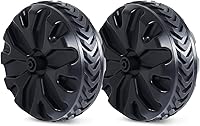
The PORTAL wheels are a two-wheel set with an 8-inch diameter and 3.4-inch-wide TPR tread. They are described for PORTAL, Ozark-Trail, and Timber Ridge wagons, so they're a sensible first option if your wagon matches those brands and uses the same mounting screw.
The KIKIIKE liner has a 30 x 18 x 10-inch interior and attaches with hook-and-loop fasteners. It suits a wagon with a worn or hard-to-clean insert and a body within its stated fit range; skip it if your frame falls outside those measurements or you need a complete cart.
We compared the dimensions, materials, pack sizes, and stated fit notes to help narrow the options. For brand-specific wheel guidance, see how to replace the wheels on a Mac Sports wagon or how to replace Timber Ridge wagon wheels.
How do you check whether folding wagon replacement wheels fit?
Compare diameter, tread width, attachment, and frame clearance before ordering. A wheel can look close in size and still fail to mount if its hub or fastener differs.
If the old wheel can be removed safely, measure across the tread and from one tread edge to the other. Note the screw, axle, center opening, and the space between the wheel and frame.
Keep the old fastener as a reference, and don't force a replacement onto a mount that does not line up.
PORTAL's wheels measure 8 inches across and 3.4 inches wide and use a fixing screw. This is the clearer match for a wagon with those dimensions and a compatible mounting point.
Drhomeam's wheel measures 7 inches in diameter and 4 inches wide, with a 4.1-inch center distance. The brand describes it as fitting many standard wagon models, but that broad wording isn't enough to confirm your cart's fit; compare the mount and clearance directly.
The Drhomeam option suits someone whose wagon needs that smaller, wider wheel and whose mounting dimensions match. Skip it if your old wheel is 8 inches or if you cannot verify the center distance and attachment.
How do you measure for a replacement wagon liner?
Measure the body where the liner sits, then compare length, width, height, and fastening points. Check both the frame's fit range and the insert's own dimensions because a liner can fit the outer frame yet hold less usable space than expected.
KIKIIKE fits wagon bodies about 24–30 inches long, 15–19 inches wide, and 7–11 inches high. Its interior measures 30 x 18 x 10 inches, and hook-and-loop strips make it removable for cleaning.
Lineshading offers two black Oxford cloth liners. Each has an outside size of about 29.92 x 18.11 x 9.45 inches and uses hook-and-loop fastening, so the set suits someone who wants a spare insert or a rotation for cleanup.
Skip the Lineshading set if your cart needs a frame or if its body falls outside the 24–30 by 15–19 by 7–11-inch fit range. The two liners are inserts only, not replacement wagons.
Before ordering either style, measure the inside length, width, and depth at the points where the cloth sits. A deep liner can bunch or rub if the frame is too small, while a narrow one may leave gaps along the sides.
What should you check before installing a replacement part?
Check the fit while the wagon is empty and unloaded. That makes it easier to spot a misaligned wheel or loose liner before cargo adds weight.
For a wheel, compare the new part with the old one before assembly. Use the intended screw or axle, tighten it securely without forcing mismatched hardware, and spin the wheel by hand to check that it turns freely and clears the frame.
If it rubs or wobbles, stop and recheck dimensions and attachment.
PORTAL describes its wheel as quick to assemble with a fixing screw. Follow the wagon's manual for the removal and fastening steps, since the exact process can differ by model.
For a liner, lay it into the wagon with the cart open and attach the hook-and-loop sections along the matching edges. Check that the liner sits flat and does not catch in the folding joints before collapsing the wagon.
Don't load a cart to test an uncertain fit. First confirm the replacement is seated, the wagon opens and folds normally, and nothing is trapped near the wheel or frame.
Are folding wagon parts universal across brands?
No, replacement parts aren't automatically interchangeable across brands or models. Check the exact model and measurements, even when a part is described for several brands.
Wheel size is only one part of the fit. The hub, screw, axle, wheel opening, and frame clearance can differ, while liners may attach in different places or use different dimensions.
If you can't identify your model, check the label on the cart or its original paperwork. The wagon maker may be able to confirm which parts match, especially when the original fastener or liner attachment is hard to identify.
Terrain also affects wheel choice. For help weighing wheel styles against beach use, read which beach wagon wheels roll best on sand; for the differences between air-filled and solid tires, see air-filled versus solid tires on a collapsible wagon.
How do you care for replacement wheels and liners?
Keep grit and packed dirt from interfering with wheels and folding joints. After outdoor trips, remove loose sand and debris before storing the wagon, and check that the wheels still turn without rubbing.
A removable liner is easier to clean than fabric fixed to the frame. Take it out using the fasteners, shake off loose dirt, and follow any care instructions that came with the liner before washing it.
Store spare liners dry and folded so they are ready when the fitted one needs cleaning. Avoid forcing a liner into a frame that is too small, since tight folds can make it harder to attach and may interfere with opening the wagon.
A cover serves a different purpose from a liner. If you're deciding whether to add one, compare the uses in should you buy a cover for your collapsible wagon?.
When should you replace a part instead of the wagon?
Replace a wheel or liner when the frame and folding joints still work correctly. A separate part can address wear in that component without replacing an otherwise usable cart.
Check the frame for cracks, bends, loose joints, and parts that no longer lock. Avoid hauling a load if frame or handle damage makes the cart hard to control, and seek the wagon maker's repair guidance before buying a part that may not solve the problem.
Also confirm the package quantity. PORTAL supplies two wheels, Drhomeam supplies one wheel, and Lineshading supplies two liners.
If you need to replace a pair or outfit two carts, the quantity affects which option is practical.
Which folding wagon replacement part should you choose?
Choose PORTAL wheels if your cart uses 8-inch wheels, a compatible fixing screw, and one of the stated compatible brands. Choose Drhomeam only when its 7 x 4-inch wheel and 4.1-inch center distance match your mounting setup.
Choose KIKIIKE for one removable liner with a 30 x 18 x 10-inch interior, or Lineshading if two liners suit your replacement or cleanup routine. Both require a wagon body within the stated fit range, and neither includes a frame.
Measure first, match the attachment, and replace a part only when the rest of the wagon remains sound. If the model or mount is unclear, ask the wagon maker to identify the right spare before you order.
Frequently asked questions
Can you buy replacement parts for a folding wagon?
Yes. Folding wagon replacement parts such as wheels and fabric liners are available for some carts.
Check your wagon's brand, model, wheel diameter and width, attachment style, and liner dimensions before ordering.
A part that fits one cart may not fit another, even when both wagons fold.
Are folding wagon wheels universal?
No. Wheel diameter, width, axle or screw attachment, and clearance can vary by wagon.
Compare the old wheel and fastener with the replacement dimensions, and check compatibility information for your wagon's brand and model.
Contact the wagon maker if you can't confirm the fit.
How do I choose a replacement wagon liner?
Measure the wagon body where the liner sits, including length, width, and height. Compare those dimensions with the liner's stated fit range and interior size, and confirm how it attaches.
Many replacement liners are fabric inserts only, so the cart frame isn't included.
Should I replace a wagon part or the whole wagon?
Replace a wheel or liner when the frame still folds and locks properly and the damaged part is sold separately for your model. If the frame, handle, or folding joints are bent or unreliable, check the maker's repair guidance before spending on a part that may not solve the problem.